- Can it be fixed?
- Usually – rubber can be added to most leather soles and heels that are still in good shape.
- Safe to fix yourself?
- Short-term only. Stick-on pads and scuffing help briefly, then peel, shift or wear smooth.
- What decides the cost?
- How much of the sole gets rubber, whether the heels do too, sole shape and material, and how many pairs.
- Mail it in?
- Yes, from anywhere in the US.
- While you wait?
- Some small repairs, yes. Call ahead.
Which problem is it?
Turn the shoe over – what the bottom is made of decides the fix.
Smooth leather soles, new shoes
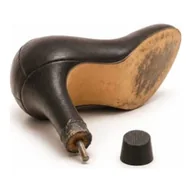
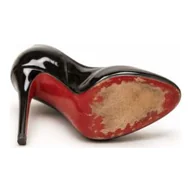
New dress shoes and heels often come with smooth, polished leather soles. They’re slick until they scuff, and on hotel marble, casino floors and wet tile they can be dangerous. A thin rubber sole over the leather gives grip from the first wear.
Leather-soled cowboy boots
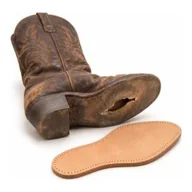
Many cowboy and western boots have leather soles and stacked leather heels – fine in a stirrup, slick on a dance floor or a polished lobby. Rubber can be added to the soles and heels for better footing, and the boots look the same from the top.
Rubber tread worn smooth
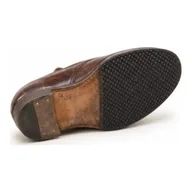
If the sole is already rubber but the tread has worn flat, the shoe slips for a different reason. Adding rubber on top isn’t always the answer; a worn-out sole may need to be replaced, which is a resole.
Clogs and hard heels
Clogs and shoes with hard wooden, plastic or leather bottoms are loud and slide on tile. Rubber soles and rubber heels can make them less slippery and quieter, which matters in an office, a hotel hallway or a quiet home.
What to do right now.
- Until the soles are fixed, take shorter steps on marble, tile and wet floors, and hold the railing on stairs.
- Peel off any price sticker or label on the sole – it’s a slick patch right under your foot.
- Photograph the bottom of each shoe and one side view, so the shop can see the sole material and the heel.
What not to do.
- Don’t glue craft or hardware-store rubber to the soles yourself – it peels, and the glue has to be stripped before a proper rubber sole goes on.
- Don’t count on stick-on grip pads for a wedding or a big night out; they can shift or peel off mid-step.
- Don’t score the leather sole with a knife or scissors to rough it up – it weakens the sole and the grip doesn’t last.
When it’s not worth repairing.
Adding rubber isn’t worth it when the sole is already worn thin, cracked or coming loose – that shoe needs a sole repair or a resole first, or may not be worth fixing at all. On very inexpensive shoes, the rubber can cost more than the pair. And if you only wear them on carpet, you may not need it.
How we fix it.
- We check what the sole and heels are made of, how worn they are, and whether the sole is glued or stitched.
- We suggest what fits your pair – rubber on the sole, on the heels, or both – and give you the price first. Work starts only after you say yes.
- We add the rubber to follow the shape of the sole and heel. On designer shoes, a thin protective rubber sole also guards the original sole from wear.
- If the sole is already worn through or loose, we tell you and fix that first, with a sole repair or a resole.